
Berberis thunbergii aurea
What is Berberis thunbergii used for?
Medicinal Uses Berberine, universally present in rhizomes of Berberis species, has marked antibacterial effects. Since it is not appreciably absorbed by the body, it is used orally in the treatment of various enteric infections, especially bacterial dysentery[218].
Where is the best place to plant Berberis?
full sun Berberis will grow in any free-draining soil in full sun or light shade. Those grown for their ornamental berries and autumn leaf colour, like cultivars of the popular B. thunbergii, are best in full sun.
Is Berberis thunbergii poisonous?
Toxicity: All parts of the plant, especially the berries, are toxic to humans if ingested. Deer and Rabbit: Japanese barberry is usually resistant to deer and rabbits thanks to its thorny stems. Drought: Once established, Berberis thunbergii is quite drought tolerant.
How do you care for Berberis aurea?
How to care for your Berberis Thunbergii Aurea
- Soil: Thrives in well-draining soil that is slightly acidic. …
- Watering: The plant requires regular watering, especially during the summer months. …
- Fertiliser: Benefits from regular fertilisation. …
- Pruning: Prune in late Winter or early Spring before new growth begins.
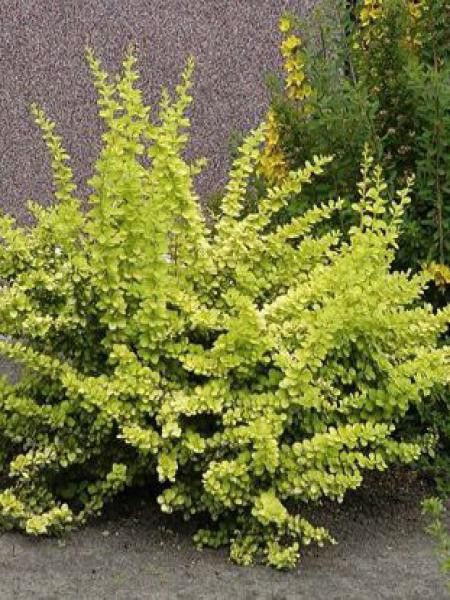
‘Aurea’ is a Japanese barberry cultivar that is noted for its bright yellow foliage. This is a compact, upright, somewhat slow-growing, multi-stemmed, …
‘Aurea’ is a golden-leaved deciduous cultivar of the Japanese barberry in the Berberidaceae family. The parent is native to Asia and is considered invasive.
Deciduous shrub, 3-4 ft (0.9-1.2 m) tall, equal width, upright, mounded. Leaves yellowish, alternate, 1.5-3.0 cm long, one-third as wide, borne in clusters.